
Explore the Playbook
This playbook is for organisations that own, lease or manage technology fleets and want to repurpose their devices to advance digital inclusion, circularity and community benefit.
Whether you are a business, government agency, manufacturer, university, school or other organisation with technology assets, this playbook will help you establish or strengthen a Tech Reuse program that gets safe, fit-for-purpose devices to people who need them. By combining device reuse with connectivity, digital skills and support, together we can help people get online, build confidence and participate more fully in today’s digital world, while extending the life of technology and reducing environmental impact.
Without one, people cannot fully benefit from connectivity, build digital skills or participate
independently online. By giving quality technology a second life and getting it into the hands of people who need it, Tech Reuse can help remove a fundamental barrier to digital inclusion and create lasting social and environmental benefit.
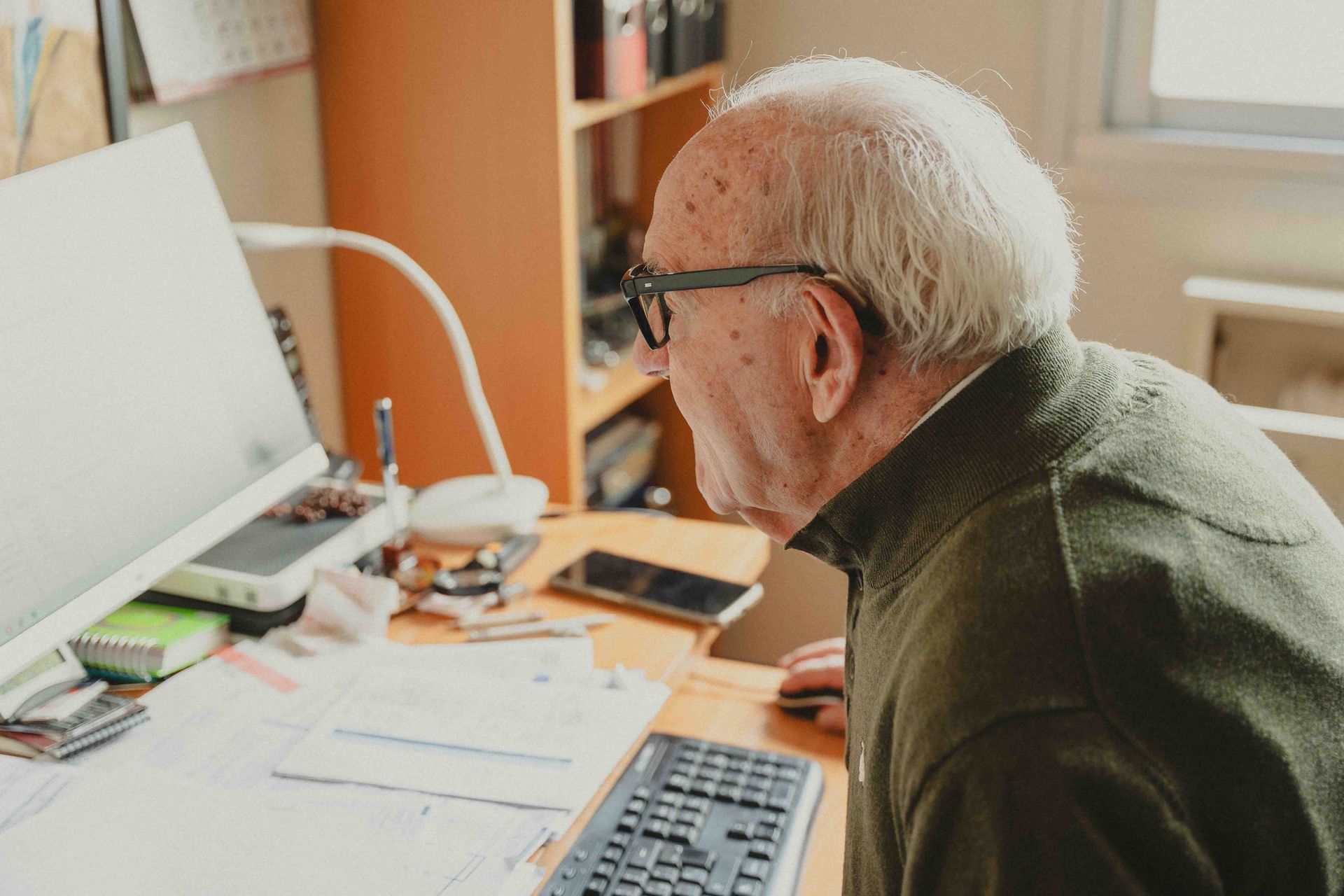
Access to a suitable device is a crucial part of closing this divide.
Without one, people cannot fully benefit from connectivity, build digital skills or participate independently online. By giving quality technology a second life and getting it into the hands of people who need it, Tech Reuse can help remove a fundamental barrier to digital inclusion and create lasting social and environmental benefit.

Without one, people cannot fully benefit from connectivity, build digital skills or participate independently online. By giving quality technology a second life and getting it into the hands of people who need it, Tech Reuse can help remove a fundamental barrier to digital inclusion and create lasting social and environmental benefit.
INCLUDE
BUILD
1/ Home
Ready to contribute devices or already repurposing?

Join a nationwide movement to turn technology into lasting social, community and environmental impact. Sign the Tech Reuse for Good Charter and pledge your commitment to safe, responsible device reuse and greater digital inclusion.

Other practical ways to support
Organisations can contribute to Tech Reuse in different ways, and not every organisation will contribute devices. The Charter sign-up can also recognise other practical commitments, such as funding support (for devices or infrastructure), pro bono freight, or access to free connectivity or software. These contributions can be made instead of, or alongside, device donations and enable organisations to be part of a nationwide commitment to a collective effort that creates lasting social, community and environmental benefit.
Getting a reuse program underway is not always a process with a clear beginning, middle and end and will work differently for different organisations. You don’t need to read the playbook from start to finish. You can start where it is most relevant to your organisation, whether that’s understanding costs, identifying suitable devices, working with partners, protecting data or planning distribution.

Why Repurpose Technology?
The Digital Divide
Our world is digital by default, but not everyone has an equal opportunity to participate. Without access to a suitable device, affordable connectivity, digital skills and trusted support, everyday activities like applying for a job, studying, accessing health care, managing money, connecting with family or using government services can become difficult or impossible.
For many people experiencing digital exclusion, the barriers are multiple and interconnected. First Nations people continue to experience a significant digital inclusion gap, particularly in remote and very remote communities, where access, affordability and digital ability can all present challenges. Older people, people living in public housing and people with lower levels of education are also more likely to experience digital exclusion.
Tech Reuse can help change this, but a device alone is not enough. Lasting digital inclusion happens when people receive technology that is safe and suitable for their needs, alongside connectivity, digital skills and ongoing support. Community organisations are central to making this work. Their role goes well beyond distributing devices. They understand local needs, build trusted relationships, support people through the handover and beyond, protect privacy and help ensure technology creates meaningful and lasting benefit.

The 2025 Australian Digital Inclusion Index found that around one in five Australians are excluded or highly excluded, while the national First Nations digital inclusion gap is 10.5 points and widens substantially in remote and very remote areas.
Access to a suitable device is a crucial part of closing this divide. Without one, people cannot fully benefit from connectivity, build digital skills or participate
independently online. By giving quality technology a second life and getting it into the hands of people who need it, Tech Reuse can help remove a fundamental barrier to digital inclusion and create lasting social and environmental benefit.
Find out more about
Australia’s digital divide
Electronic Waste in Australia
Every year, Australia generates more than half a million tonnes of electronic waste as businesses and households replace laptops, tablets, smartphones, monitors and other devices. The average Australian household produces around 20 kg of e waste each year, almost three times the global average. Without stronger reuse, repair and recycling efforts, Australia’s e waste is projected to grow by almost 30% to 657,000 tonnes by 2030. E-waste also contains valuable materials that are often lost to landfill, as well as hazardous substances such as lead, cadmium and mercury, making responsible reuse and recycling essential.

Promoting Circularity
Repurposing devices that are no longer in use means that they will not go to landfill and importantly can be passed on to people who really need them. Reuse keeps devices higher in the circular economy hierarchy than recycling, avoids unnecessary waste, and helps people who are digitally excluded access reliable technology. The ambition is not simply to move surplus equipment: it is to deliver safe, secure, fit-for-purpose devices with support that enables people to use them confidently.
A Practical Win-Win
Technology reuse creates both social and environmental value.
It helps:
● reduce electronic waste
● extend the useful life of technology assets
● support ESG and sustainability objectives
● strengthen community outcomes
● improve access to technology for people experiencing digital exclusion.
The goal is not simply to move surplus equipment. The goal is to ensure suitable devices reach people who can use them safely, confidently and effectively.
The Technology Reuse Journey at a Glance
While every organisation will follow a slightly different pathway, most successful programs move through the same core stages:
Check if your devices are suitable
Identify devices that are safe, useful and appropriate for reuse.
Understand your technology lifecycle
Determine whether devices are owned, leased, managed through an ITAD arrangement or part of an existing refresh cycle.
Work with partners
Identify partners who can support collection, refurbishment, recycling, distribution, connectivity, digital skills and reporting.
Protect data
Ensure devices are securely wiped, tracked and prepared for transfer.
Plan a distribution pathway
Consider whether you’ll distribute devices directly or work with an established partner to reach people most in need.
Sign the Charter
Make a public commitment to responsible device reuse.
Report annually
Provide simple reporting on device contributions and outcomes.
Without one, people cannot fully benefit from connectivity, build digital skills or participate
independently online. By giving quality technology a second life and getting it into the hands of people who need it, Tech Reuse can help remove a fundamental barrier to digital inclusion and create lasting social and environmental benefit.
Access to a suitable device is a crucial part of closing this divide.
Without one, people cannot fully benefit from connectivity, build digital skills or participate independently online. By giving quality technology a second life and getting it into the hands of people who need it, Tech Reuse can help remove a fundamental barrier to digital inclusion and create lasting social and environmental benefit.

Without one, people cannot fully benefit from connectivity, build digital skills or participate independently online. By giving quality technology a second life and getting it into the hands of people who need it, Tech Reuse can help remove a fundamental barrier to digital inclusion and create lasting social and environmental benefit.
The Technology Reuse Journey at a Glance
While every organisation will follow a slightly different pathway, most successful programs move through the same core stages:
INCLUDE
BUILD
Report annually
Provide simple reporting on device contributions and outcomes.
Sign the Charter
Make a public commitment to responsible device reuse.
2/Getting started or scaling up
You do not need to have a perfect model before you begin. Many reuse programs start with a simple question: “We have devices that still work — could they help someone?” From there, the playbook can help you explore what is possible, who needs to be involved, and how to move forward safely.
Start where you can
Technology reuse does not need to be all or nothing.
Many organisations begin by donating a small proportion of suitable devices while continuing to resell or recycle the remainder through existing asset disposal arrangements. Over time, as partnerships, processes and budgets mature, the proportion of devices donated may increase.
The most important step is to begin considering reuse as part of normal asset management.
A program that donates 5% of suitable devices is creating more social value than a program that donates none.
A blended model that combines donation, resale and recycling can create significant social and environmental impact while remaining financially sustainable.
If you are just starting out, try these first steps:
1. Clarify your goals
Start by identifying why your organisation wants to repurpose technology. Are you looking to reduce e-waste, support your sustainability goals, create social impact or all of the above? Bringing the right people into the conversation early will help build support and ensure your program is successful. Consider involving IT, procurement, legal, privacy, cyber security, sustainability and finance teams, as well as colleagues who are passionate about driving the initiative forward.
2. Understand what technology is available
Look across your organisation to identify devices that are safe, useful and appropriate for reuse. Determine whether devices are owned, leased, managed through an ITAD arrangement or part of an existing refresh cycle. Starting with a small number of suitable devices can provide a quick win while helping you understand your longer term technology pipeline.
3. Partner with experts
Work with accredited, experienced partners who can guide you through refurbishment, data security, legal compliance and distribution processes. Community digital inclusion partners help identify need, support recipients, manage handover, protect privacy and collect feedback.
4. Plan for safe and responsible reuse
Before any devices leave your organisation, make sure your program complies with relevant legislation and best practice for data security, privacy and e-waste management. Establish clear processes for data wiping, refurbishment and asset management.
5. Think beyond the device
Access to a device is only one part of digital inclusion. Consider whether your organisation can also support connectivity, digital skills or ongoing assistance to help people get the most from their technology.
6. Start small and learn
Begin with a pilot program before scaling up. Testing your approach with a small number of devices will help you refine your processes, understand costs, improve logistics and measure impact before expanding your program.
Donor readiness checklist
Use this checklist to determine whether your organisation is ready to start atechnology reuse program.
Australian Tech Reuse for Good
Donor Readiness Checklist
Work through the checklist below to assess your organisation's readiness.
Goals and internal support
Technology and equipment
Safe and responsible reuse
Partnerships and distribution
Planning and reporting
Ready to scale up: excited to do more?
If your organisation already donates, refurbishes, redistributes or recycles technology, the next opportunity is to make reuse more intentional, repeatable and connected. Scaling is not just about moving more devices. It is about building a dependable pathway where quality devices reach people who can use them, with the right support wrapped around them.
If you are ready to scale, consider these actions:
Embed technology reuse into business as usual
Make technology reuse part f your organisation’s normal asset management, procurement and technology refresh planning. Establish a reuse first workflow so devices are assessed for donation, refurbishment, resale, parts recovery or recycling in that order. Embedding reuse into your processes and procedures will help ensure it becomes business as usual, rather than a one off initiative.
Strengthen partnerships
Move beyond short term projects and build long term partnerships with organisations that can help your program grow. This may include digital inclusion distribution
partners, community organisations, refurbishers, IT asset disposition providers, accredited recyclers, funders, telecommunications providers, logistics partners and
manufacturers. Agree on shared expectations for device quality, data sanitisation, reporting, warranties ongoing support , and device volume forecasts so partners can plan and resource the work appropriately.
Build a reliable technology pipeline
Take advantage of technology refresh cycles and existing partnerships to create a consistent supply of devices. Forecast future device volumes so refurbishment and community partners can plan ahead for storage, logistics and distribution, helping move from one off donations to an ongoing program.
Expand your impact
As your program matures, look for opportunities to increase its value. Expand your distribution pathways, provide more devices where possible or a broader range of devices and strengthen the wraparound support provided with your devices through connectivity, digital skills and technical assistance. Combining devices with support helps ensure people can use technology with confidence and achieve lasting outcomes.
Measure, report and share what you’ve learned
Work with partners to strengthen your reporting and better understand your environmental and social impact. Incorporate technology reuse into your sustainability and social impact reporting, quantify the outcomes where possible and share deidentified data, case studies and lessons learned to help grow Australia’s technology reuse ecosystem.
Plan for long term sustainability
Look for opportunities to reduce costs and secure funding that will support the ongoing growth of your program. Understanding the financial benefits of reuse, alongside its environmental and social impact, will help build a stronger long term business case.
Measure, report and share what you’ve learned
The Tech Reuse for Good Charter is a practical commitment to safe, responsible device reuse. By signing the Charter, your organisation commits to:
- considering suitable devices for reuse before recycling working through safe and responsible pathways
- considering suitable devices for reuse before recycling
- working through safe and responsible pathways
- supporting digital inclusion and circular economy outcomes
- reporting annually on your contribution through a simple reporting process.
Without one, people cannot fully benefit from connectivity, build digital skills or participate
independently online. By giving quality technology a second life and getting it into the hands of people who need it, Tech Reuse can help remove a fundamental barrier to digital inclusion and create lasting social and environmental benefit.
Access to a suitable device is a crucial part of closing this divide.
Without one, people cannot fully benefit from connectivity, build digital skills or participate independently online. By giving quality technology a second life and getting it into the hands of people who need it, Tech Reuse can help remove a fundamental barrier to digital inclusion and create lasting social and environmental benefit.

Without one, people cannot fully benefit from connectivity, build digital skills or participate independently online. By giving quality technology a second life and getting it into the hands of people who need it, Tech Reuse can help remove a fundamental barrier to digital inclusion and create lasting social and environmental benefit.
While every organisation will follow a slightly different pathway, most successful programs move through the same core stages:
INCLUDE
BUILD
3/ Partnerships
Partnerships are at the heart of technology reuse for good. Very few organisations can do every part of the process on their own, and, happily, you do not need to.
Types of partners
Working with an experienced commercial or social enterprise refurbishment partner can make reuse safer and easier and minimise the number of resources you need to dedicate to this. A good distribution partner will understand local needs and be able to explain how devices will be allocated, stored, handed over and supported. They should also be able to tell you what information they need to collect, how they will protect privacy, and how they will report the impact of the donation without creating unnecessary burden for recipients. The best programs bring together the right mix of people and organisations: these may include:
ITAD / Refurbishment partner
Supports collection, wiping, testing, refurbishment and recycling of devices. Usually supports commercial remarketing of fleets. May have partnerships with Community or Digital Inclusion partners.
Digital inclusion partner
Usually an NFP or social enterprise, who provide a range of support including collection, wiping, refurbishment, redistribution and digital skill support. Generally, liaises with recipients directly or via community partners. May also have access to free or low-cost connectivity. Ranges in size from small, volunteer led locally focused through to national.
Read the case study on the National Device Bank which is one example of a digital inclusion focused distribution partner that connects donated devices with people experiencing digital exclusion through a network of community organisations across Australia. Depending on your organisation’s goals, location and the communities you want to support, it may be one of several distribution pathways to consider as part of your technology reuse program.
Leasing Partner
Provides leasing products and services and may be able to enable device donationas part of the leasing arrangement.
Community partner
A community organisation directly supporting prospective device recipients – for example NFP’s, libraries, schools, TAFEs, public housing services, migrant and refugee services, disability organisations, family violence services, youth services, employment services, health and telehealth services, local councils and First Nations community-controlled organisations. Provides direct understanding of local need and recipient support.
Connectivity partner
Provides free or low-cost data – normally via a NFP digital inclusion distribution partner or community partner. Good partnerships help manage risk, share costs, reach the right people, and make sure donated devices are safe, useful and supported. Global research (link)
consistently demonstrates that digital inclusion programs deliver the best results when delivered via trusted intermediaries – which makes partnership crucial. In Australia, they also help programs respond to local needs, including regional and remote delivery, First Nations-led approaches, culturally safe support, affordability barriers, connectivity gaps and responsible e-waste handling.
Working with leasing partners to redistribute end of use devices to communities in need
Often leasing is perceived to be a barrier to repurposing technology for good. However, increasingly leasing partners are seeking ways to support this. Leasing products can include mechanisms to donate a % of devices at the end of the lease period. Alternatively, you can ask your leasing company to build this into your lease.
Partner Selection Decision Tree
Partner Selection - Decision Tree
Australian Tech Reuse for Good Charter
Do you already have a trusted IT Asset Disposal (ITAD) provider?
Start by speaking with your existing ITAD provider.
Explore:
- Can all/some of our suitable devices be considered for donation before resale or recycling?
- Can donation pathways be incorporated into our existing arrangement?
- Do they already work with digital inclusion distribution partners or community organisations?
- If not, do you have any contractual mechanisms in place which limit you from using alternative device disposal partners for some/all of the fleet who can support for-purpose reuse?
Consider an ITAD/Refurbishment Partner or Digital Inclusion Distribution Partner.
ITADs can help with:
- collection
- asset tracking
- data wiping
- testing and grading
- refurbishment
- recycling
- remarketing
- sustainability reporting
Digital inclusion partners can often manage the same processes as ITADs plus:
- distribution into communities
- recipient identification
- connectivity referrals
- digital skills support
- impact and sustainability reporting
This is often the lowest-effort pathway for donors.
Do you currently lease your assets?
Start by speaking with your existing leasing partner.
Explore:
- Can all/some of our suitable devices be considered for donation upon return at end of lease?
- If so, do they already work with any digital inclusion distribution partners or community partners?
- Can this be built into leasing contracts going forward?
Continue with your chosen pathway.
Consider an ITAD/Refurbishment Partner or Digital Inclusion Partner.
If you are considering leasing, speak to your prospective partners about building for-purpose reuse in the leasing arrangements.
Explore:
- Can all/some of our suitable devices be considered for donation upon return at end of lease?
- If so, do they already work with any digital inclusion distribution partners or community partners?
- Can this be built into leasing contracts going forward?
Do you want to manage distribution yourself?
You may need:
Community partners can help identify needs and support recipients.
Consider a Digital Inclusion Partner.
Digital inclusion partners can often manage the same processes as ITADs plus:
- distribution into communities
- recipient identification
- connectivity referrals
- digital skills support
- impact and sustainability reporting
Are devices being distributed into regional, remote or First Nations communities?
Consider partnering with:
These organisations can help ensure devices are distributed in ways that are locally appropriate and supported.
Often digital inclusion distribution partners have networks which include community organisations in regional, remote or First Nations communities and so may be a simpler pathway to achieving this outcome.
Continue with your chosen pathway.
Without one, people cannot fully benefit from connectivity, build digital skills or participate
independently online. By giving quality technology a second life and getting it into the hands of people who need it, Tech Reuse can help remove a fundamental barrier to digital inclusion and create lasting social and environmental benefit.
Access to a suitable device is a crucial part of closing this divide.
Without one, people cannot fully benefit from connectivity, build digital skills or participate independently online. By giving quality technology a second life and getting it into the hands of people who need it, Tech Reuse can help remove a fundamental barrier to digital inclusion and create lasting social and environmental benefit.

Without one, people cannot fully benefit from connectivity, build digital skills or participate independently online. By giving quality technology a second life and getting it into the hands of people who need it, Tech Reuse can help remove a fundamental barrier to digital inclusion and create lasting social and environmental benefit.
While every organisation will follow a slightly different pathway, most successful programs move through the same core stages:
INCLUDE
BUILD
4/ Reuse pathways & costs
Finding the right approach for your organisation
Every organisation’s technology reuse journey will look different. The right approach depends on the number of devices you manage, your existing processes and the resources you have available. Whether you’re donating a handful of devices or managing a large technology refresh, there is a reuse pathway that can work for your organisation.
Corporates
Many businesses replace devices regularly as part of their technology lifecycle. Repurposing surplus technology can support sustainability, ESG and community investment goals while extending the life of valuable equipment.
Small organisations
Even a small number of devices can make a difference. Working with an experienced donation partner is often the simplest way to repurpose technology without creating additional administration.
Medium and large organisations
Organisations with regular technology refreshes can build technology reuse into business as usual. Long term partnerships and consistent processes can help maximise environmental and social impact while making reporting easier.
Education providers
Schools, universities and training providers often manage significant volumes of technology and may be able to build reuse into existing refresh and asset management processes.
Not for profits
Not for profits may have fewer devices to contribute, but can still participate through established reuse pathways or partnerships that minimise administrative burden.
Government
Government participation in the Tech Reuse for Good Charter is a voluntarily commitment that complements existing government frameworks.
The National Device Reuse Principles are the primary policy framework for device donation and reuse activities. Compliance with government legislative, policy, security and disposal requirements takes precedence over Charter participation commitments.
The Digital Transformation Agency’s
Sustainable Device Management Guide is the primary source of practical guidance for Commonwealth entities on device donation, device reuse, security, sanitisation and disposal considerations. State and territory government entities may refer to the Sustainable Device Management Guide to inform device donation processes but must ensure compliance with their own jurisdiction’s requirements.
Through voluntary participation in the Charter, government entities can demonstrate leadership and contribute to a coordinated national device reuse ecosystem while continuing to meet your legislative, governance and operational obligations.

Deciding a reuse pathway that works for your organisation
Reuse pathway stages
| Stage | What needs to happen | Costing and system considerations |
|---|---|---|
| 1
Identify suitable end-of-use assets |
Identify devices coming out of service, and check age, condition, device type, ownership status and available accessories. Build reuse into refresh cycles and asset registers. Prioritise laptops, tablets and phones that are under five years old, unlocked, supported and complete with chargers. |
If devices have any contractual prerequisites (e.g. leased or contracted to a pre-existing ITAD partner), arrange a conversation with the relevant partner about how reuse can be embedded into this arrangement. For example, many leasing partners will support a percentage of devices being donated and build this into the next leasing arrangement. Similarly with IT Asset Disposition partners, a percentage donation can be embedded, which may increase over time. |
| 2
Prepare for transfer |
Identify and select the partner supporting transfer. This may be an existing partner if they support this, or an alternative partner who supports IT asset disposition and donation. Confirm approvals, remove locks (e.g. MDM locks), track assets and agree handover requirements. |
Identify and involve internal stakeholders as appropriate: IT, procurement, legal, privacy, cyber security and sustainability teams. Create or update agreements with partners to support donation, resale for social benefit or partner-led refurbishment. Ensure clarity on transfer of ownership, responsibilities for data sanitisation and security, reporting and any commercials. |
| 3
Data wiping to required standards |
Securely wipe data-bearing devices and keep records of what was wiped, failed or destroyed. Decide whether this will be done internally or by a partner. |
Ensure data-wiping reporting and certification is provided to or from a partner (depending on who is performing it). Align with Australian privacy and cyber security requirements, internal risk and privacy policies, and sector requirements. |
| 4
Testing to sort what is suitable for reuse, recycling or disposal |
Normally the selected partners assess device function, cosmetic condition, battery health, performance and reusability using a standardised grading model. This identifies suitability for donation, resale (where applicable) or recycling. |
The asset grading process is where the donation ratio becomes clearer. A higher share of fully functional, good-condition devices under five years old usually means more donation-ready devices and lower preparation costs. |
| 5
Refurbishment to a high standard for distribution through donation partners |
The donation partner installs or updates operating systems, replaces parts, adds accessories and completes quality checks in line with the needs of the community members receiving the devices. |
The arrangement requires budget for chargers, batteries, storage upgrades, accessibility needs, operating system pathways, and warranty and support as appropriate. Programs may fund this through philanthropy, device resale or other social enterprise models. Regardless, some devices may be unsuitable for community-based reuse and better used for parts or resale to support the model. |
| 6
Distribution: deciding who receives the devices and working with a donation partner |
Match devices to people or organisations, arrange handover and provide clear recipient information. If working directly with individuals or community members, a higher degree of support will be required to ensure devices are fit for purpose and usable, and that any user issues are addressed in the first 3–6 months. |
Working directly with community members or organisations will require a higher level of your resourcing (to identify needs, process devices, redistribute and support), but will likely mean more devices are distributed. Working through a trusted donation partner supporting communities experiencing digital exclusion will minimise the resourcing required, introduce a level of standardisation and wrap-around support, and may direct devices to the highest-priority community needs. Additional factors affecting cost include regional and remote delivery, culturally safe onboarding, eligibility assessment, local support, and the inclusion of connectivity and digital skills support. |
| 7
Support and aftercare |
Provide warranty pathways, fault handling, troubleshooting and links to digital skills or connectivity support. |
A device is more valuable when recipients can use it confidently. Consider providing, or working through a partner who can provide, helpdesk support, welcome guides, translated resources, digital mentoring and affordable connectivity options. |
| 8
Reporting |
Capture ESG metrics and stories of digital inclusion impact. |
Share stories of impact through the Tech Reuse for Good reporting process. |
Building a financially sustainable reuse program
“What will this cost?” is usually one of the first questions organisations ask when they think about reusing technology for social good. The answer depends on four simple things: the quality of the devices, who prepares them, how far they need to travel, and what support is included after they are donated.
It also depends on what arrangements you already have in place. For example, your current IT asset disposal or recycling contract may allow devices to be donated for social good, or it may only cover resale, recycling or secure destruction. It is worth checking this early. Your leasing partner may have options to divert some of the devices being replaced through your leasing arrangement.
One of the most common misconceptions about device donation is that every suitable device must be donated.
In practice, many organisations use a blended model that combines donation, resale and recycling. This can allow organisations to begin contributing devices immediately while balancing refurbishment costs, logistics, support requirements and existing asset recovery arrangements.
Many successful programs start by donating a smaller proportion of suitable devices and increasing this over time as confidence, partnerships and funding mature.
The goal is not to maximise donation at any cost. The goal is to maximise long-term social and environmental impact through a sustainable reuse pathway.
A useful way to think about cost is to work backwards from the number of devices you want to donate. If 100 people need laptops, you will need to donate more than 100 laptops. That is because not every device collected will be suitable. Some may be too old, damaged, locked, missing chargers, too expensive to repair, or better used for parts or recycling.
There is no universal donation ratio. Some programs may be able to donate a high proportion of collected devices. Others may need to balance donation, resale and recycling to remain financially sustainable. The proportion of devices distributed to communities will depend on factors such as:
- device age and condition;
- refurbishment requirements;
- support expectations;
- logistics costs;
- community needs;
- resale market conditions.
“Good-quality” usually means fully working, in good condition, under five years old, unlocked, and supplied with chargers where needed.
If fewer devices meet this standard, the program can still work, but it may need extra funding, a higher device to donation resale ratio, sponsorship, grants or in-kind support.
How device distribution can influence costs
Distribution and logistics costs can be just as important as refurbishment costs. Donating a batch of devices to one partner may be simple. Getting devices to many locations, especially regional or remote areas, may involve extra freight, suitable packing, storage, damage risk, local support, warranty returns and follow up. National donation pathways should plan for these costs and may benefit from logistics partners or pro bono freight support.
If you are doing this independently, start by asking who the devices are for and what they need to use them well. A student, job seeker, telehealth user or community centre may each need a different type of device. Costs may also include pre-installed software, chargers, bags, SIM cards, data, replacement batteries or parts, accessibility settings, translated guides or basic digital skills support.
Alternatively, trusted donation partners can make distribution more effective, but their time should be planned and funded (normally through either direct funding, philanthropy or device sales). They may help identify need, confirm eligibility, store devices, run handover sessions, provide onboarding, troubleshoot issues and collect feedback. Where Aboriginal and Torres Strait Islander communities are involved, programs should be designed with community-controlled organisations or locally recognised governance structures.
For example, if 200 people need devices, and your model needs about three good incoming devices to create two donation-ready devices, you may need around 300 good-quality devices before allowing for delivery, support and warranty costs. If the distribution model is more complex, you may need extra funding to close the gap, or reduce the donation ratio (e.g. donate only 150 devices).
Without one, people cannot fully benefit from connectivity, build digital skills or participate
independently online. By giving quality technology a second life and getting it into the hands of people who need it, Tech Reuse can help remove a fundamental barrier to digital inclusion and create lasting social and environmental benefit.
Access to a suitable device is a crucial part of closing this divide.
Without one, people cannot fully benefit from connectivity, build digital skills or participate independently online. By giving quality technology a second life and getting it into the hands of people who need it, Tech Reuse can help remove a fundamental barrier to digital inclusion and create lasting social and environmental benefit.

Without one, people cannot fully benefit from connectivity, build digital skills or participate independently online. By giving quality technology a second life and getting it into the hands of people who need it, Tech Reuse can help remove a fundamental barrier to digital inclusion and create lasting social and environmental benefit.
While every organisation will follow a slightly different pathway, most successful programs move through the same core stages:
INCLUDE
BUILD
5/ Equipment
Equipment is where many reuse programs begin. You may have a cupboard of old laptops, a scheduled technology refresh, or a contract that already moves devices out of your organisation. The aim is to identify which equipment can be safely reused, which equipment may still have value, and which equipment should be responsibly recycled.
Not every device will be suitable for donation, and that’s okay. A reuse-first approach simply means triaging for reuse before devices are recycled, destroyed or sold. Good devices can be refurbished for people and communities. Repairable devices may be given a second life. Lower-value equipment may help fund the pathway, provide parts, or go to responsible recycling.
Using refresh cycles as a natural starting point
If your organisation replaces devices on a regular cycle, this can be a good time to build reuse into the process. Devices are easier to reuse when they are identified before they sit unused for years. Early planning also gives refurbishers and community partners time to prepare for collection, data wiping, testing, storage and distribution. Reusability may also play a role in your decision-making. Many
refurbishers can provide data on historical device performance (e.g. battery life) or factors that may make devices more reusable (e.g. types of power adaptors required).
You should check whether devices are leased, owned outright, covered by warranty, locked to a mobile device management system, or linked to an existing IT Asset Disposal agreement. These details can affect whether devices can be donated, when they can be transferred, and what approvals are needed.
Identifying equipment for reuse
If it’s not you, contact the person or team responsible for managing your organisation’s IT assets at the start of the process and keep in contact throughout. They may sit in IT, procurement, finance, facilities, cyber security or sustainability. They can help you understand what devices exist, when they are due to be replaced, who owns them, and what needs to happen before they can leave the organisation.
They may also be able to help with:
- A clear inventory of IT assets, including hardware, software, licences and accessories.
- Asset tracking, so devices can be followed from collection through wiping, refurbishment, donation, resale or recycling.
- Checking whether legal, privacy, cyber security, procurement and finance requirements have been met.
- Confirming whether existing IT asset disposal, leasing or recycling contracts need to be changed before devices can be donated.
- Forecasting future technology refresh cycles so reuse becomes part of normal planning rather than a one-off clean-out.
Knowing what equipment is most useful
Laptops, tablets and smartphones are usually the most useful devices for digital inclusion because they are portable and support everyday tasks such as study, job search, telehealth, banking, government services, communication and online forms. Laptops are often especially needed, even though they can be more complex and costly to refurbish than phones or tablets.
Other equipment can still have value. Monitors, desktops, printers, audiovisual equipment, servers, cables, chargers and docking stations may not always be easy to place directly with individuals, but they may support community organisations, generate resale income, provide spare parts, or help fund refurbishment of more useful devices.
Checking whether your tech is suitable for onward donation, recycling or disposal
A good donation device should be safe, reliable and useful for the person receiving it. As a simple guide, prioritise equipment that is fully working, in good cosmetic condition, under five years old, unlocked, supported, and supplied with chargers or essential accessories where needed.
Device suitability quick check
| Check | Green | Amber | Red |
|---|---|---|---|
Age and support |
Under five years old and supported |
Older but still supported for intended use |
Unsupported or too old to update safely |
Condition |
Working and complete with charger |
Minor repair or accessory required |
Major faults, missing essentials or unsafe |
Security |
Unlocked and wipeable |
May need partner support to unlock or wipe |
Cannot be wiped, unlocked or verified |
Usefulness |
Fit for study, work, services or communication |
Useful for a limited setting or organisation, or for resale to support program costs |
Not useful for likely recipient needs, but potential to resell to support program costs |
Match equipment to people’s needs
Try not to think of reuse as simply handing out whatever is available. A device is only useful if it fits the person’s needs. A student may need a laptop with a keyboard and camera. A person accessing telehealth may need a tablet that is easy to use. A job seeker may need a device that can handle online forms, video interviews and document creation. A community centre may need shared devices that are durable and easy to manage.
For regional and remote Australia, also think about connectivity, repair options, warranty returns, power supply, ruggedness, portability and local support. Where accessibility is important, check whether the device can support screen readers, captions, larger text, alternative input devices or other assistive technology.
Don’t be discouraged by devices that can’t be donated
Some devices will not be suitable for refurbishment or distribution, but they can still support the overall goal. A digital inclusion partner or ITAD partner may be able to recover parts to make other devices usable, sell higher-value items to fund donation, or recycle equipment responsibly. Reputable, accredited recycling providers that meet recognised standards for safe e-waste handling, can help to recover valuable materials and keep e-waste out of landfill. Sharing as much information as possible about the device specs and condition will support this decision making. Tracking these outcomes helps show the full social and environmental value of the program.
Device Reuse Checklist
Use this checklist to determine whether a device is suitable for reuse and ready to leave your organisation.
Is the device suitable for reuse?
Can the device be safely transferred?
Are there any contractual or organisational restrictions?
Decide the most appropriate pathway
Reuse The device is suitable for donation or refurbishment and can be safely transferred to a reuse partner.
Repair, repurpose or resell The device may require repair, additional accessories or refurbishment, or could be resold to help fund your technology reuse program.
Recycle responsibly The device cannot be safely reused or repaired and should be recycled through an accredited e-waste recycling pathway.
Keep records
Without one, people cannot fully benefit from connectivity, build digital skills or participate
independently online. By giving quality technology a second life and getting it into the hands of people who need it, Tech Reuse can help remove a fundamental barrier to digital inclusion and create lasting social and environmental benefit.
Access to a suitable device is a crucial part of closing this divide.
Without one, people cannot fully benefit from connectivity, build digital skills or participate independently online. By giving quality technology a second life and getting it into the hands of people who need it, Tech Reuse can help remove a fundamental barrier to digital inclusion and create lasting social and environmental benefit.

Without one, people cannot fully benefit from connectivity, build digital skills or participate independently online. By giving quality technology a second life and getting it into the hands of people who need it, Tech Reuse can help remove a fundamental barrier to digital inclusion and create lasting social and environmental benefit.
While every organisation will follow a slightly different pathway, most successful programs move through the same core stages:
INCLUDE
BUILD
6/ Data Wiping & Operating Systems
Data wiping is one of the most important parts of any reuse program. It is also one of the main reasons organisations feel nervous about donating devices. That concern is understandable. Laptops, tablets, phones and drives may contain personal information, business records, client information, student data, health information, passwords or other sensitive material. You should treat every data-bearing device as sensitive until it has been securely wiped, checked and recorded.
The good news is that you don’t have to manage this alone. Many organisations choose to work with an experienced partner. A good partner can make the process safer and simpler by managing secure collection, chain-of-custody, data wiping, exception reporting, refurbishment and responsible recycling.
Start with your information security requirements
The best approach is to work backwards from the standards your organisation needs to meet. Speak with your privacy, cyber security, legal, records management and procurement teams before devices leave your control. They can help decide what level of wiping is required, what records are needed, who can do the work, and what should happen if a device cannot be wiped. Understand what is done with devices today from a security perspective and how this can be matched. For example, many organisations work with leasing partners or ITAD’s who securely collect and wipe devices – this process can be replicated for devices being donated.
In Australia, this may include obligations under the Privacy Act 1988, the Australian Privacy Principles, the Notifiable Data Breaches scheme, the Australian Government Information Security Manual where relevant, and any sector-specific rules for health, education, financial, government or community service data (e.g. APRA CPS 234 and 230).
Outsourcing data wiping and refurbishment
You can effectively and securely outsource data wiping and refurbishment by choosing a specialist partner to manage it. This can rovide reassurance that devices are handled safely, that wiping is completed using recognised processes, and that your organisation receives the records it needs for information security, audit and reporting purposes.
When choosing a partner, ask whether they can provide secure collection, controlled storage, asset tracking, recognised data sanitisation tools, wiping certificates, exception reports, responsible recycling for failed devices, and clear reporting on what happened to every item.
Managing data wiping in-house
If you choose an in-house process, this can be a bit more complicated, but still possible. It can work if you have the right skills, tools, approvals and records. It may involve costs for wiping software, replacement storage, staff time, secure storage and quality checks. If your organisation is doing this itself, make sure the process is documented and that your team knows what to do if something does not go to plan.
Before wiping starts, check that devices are not locked to a previous user or organisation. This may mean removing BIOS or firmware locks, mobile device management software, activation locks, cloud accounts, user profiles and passwords. A device that cannot be unlocked may not be suitable for donation, even if the hardware itself still works.
If you are data-wiping internally, it is important that you retain and share data-wiping certificates, as otherwise your partner may need to re-wipe the devices, which will increase time and costs and potentially reduce the number of devices which can be redistributed.
Use recognised wiping standards and keep records
For most reuse programs, deleting files or resetting a device is not enough. Data-bearing devices should be sanitised using a ecognised method, such as NIST SP 800-88 or an equivalent standard accepted by your organisation. The method may differ depending on the device, storage type and risk level.
Keep simple records for each device. These should show the asset identifier, device type, wiping method, result, date, person or provider responsible, and what happened next. If a device fails wiping, cannot be accessed, has a damaged drive, or cannot be unlocked, record the exception and follow an agreed process for secure destruction, parts recovery or recycling.
Think about the full chain-of-custody
Security does not only happen at the wiping stage. Think about the whole journey from collection to donation or recycling. Where will devices be stored? Who can access them? How are they packed and transported? How are assets tracked? What happens if a device goes missing, is damaged, or cannot be wiped?
A simple end-to-end process should cover collection, secure storage, transport, wiping, testing, refurbishment, operating system installation, distribution and recycling. Each handover should be clear, recorded and understood by the organisations involved.
Operating systems and device setup
Once a device has been wiped and tested, it needs a supported operating system and basic setup before it can be donated. This should include current security updates where available, removal of old accounts, simple user instructions and any agreed accessibility settings or software needed for the intended use.
Operating system choices should be made carefully to align to the needs of communities being supported. If you are doing this yourself, consider licence rights, support dates, security updates, ease of use, accessibility, privacy, performance on older hardware, and whether the recipient or distribution partner can get help if something goes wrong. If an operating system is no longer supported, the device may need an alternative pathway, a hardware upgrade, resale for parts, or responsible recycling. If you’re working with a refurbisher, consider having a conversation about operating systems being applied to devices.
Questions you could think about before devices leave your organisation
- Who has approved the device release, and are the assets owned or leased?
- What data wiping standard or method is required?
- Who will wipe the devices, and what evidence will they provide?
- How will devices be stored, transported and tracked before wiping is complete?
- What happens if a device cannot be wiped, unlocked or updated?
- Who is responsible if a device is lost, damaged or later found to contain data?
- What operating system will be installed, and is it supported and licensed for the intended use?
- What records will be kept for audit, reporting and privacy purposes?
Without one, people cannot fully benefit from connectivity, build digital skills or participate
independently online. By giving quality technology a second life and getting it into the hands of people who need it, Tech Reuse can help remove a fundamental barrier to digital inclusion and create lasting social and environmental benefit.
Access to a suitable device is a crucial part of closing this divide.
Without one, people cannot fully benefit from connectivity, build digital skills or participate independently online. By giving quality technology a second life and getting it into the hands of people who need it, Tech Reuse can help remove a fundamental barrier to digital inclusion and create lasting social and environmental benefit.

Without one, people cannot fully benefit from connectivity, build digital skills or participate independently online. By giving quality technology a second life and getting it into the hands of people who need it, Tech Reuse can help remove a fundamental barrier to digital inclusion and create lasting social and environmental benefit.
While every organisation will follow a slightly different pathway, most successful programs move through the same core stages:
INCLUDE
BUILD
7/Distribution
Distribution is where reuse becomes digital inclusion! Getting devices into the hands of the people who need them is where technology reuse creates real social impact. While some organisations may choose to distribute devices directly, many work with trusted donation and community partners who already understand local needs and have the experience, relationships and support services to do this effectively. Choosing the right distribution partner can help ensure devices reach the people who will benefit most and are matched with the right support.
Think about who you want to support
Start by considering who your organisation hopes to help through its technology reuse program. This might include students, job seekers, older people, people with disability, newly arrived migrants and refugees, First Nations communities, people experiencing homelessness or community organisations.
Your donation partner can help you understand local demand and identify where your devices will have the greatest impact.
Distributing devices directly
Some organisations may choose to distribute devices directly to employees, customers, students or local communities. If you take this approach, it’s important to have a clear and fair process for identifying recipients, matching devices to their needs and managing handover. Consider how recipients will access connectivity, digital skills and ongoing support, either through your organisation or by partnering with other organisations. You should also have processes in place to protect privacy, manage enquiries and track the impact of your device donations.
First Nations donor pathways and RAP commitments
Organisations with Reconciliation Action Plan commitments can employ technology reuse to support practical digital inclusion outcomes, with a community led, culturally safe and appropriately resources pathway. Work with Aboriginal Community Controlled Organisations (ACCOs), a recognised First Nations device distribution program, or locally recognised governance structures. Agree what devices and support are useful and plan for connectivity, digital skills, onboarding and aftercare.
Case Study: include FN Device Bank pilot case study focussed on how devices were combined with community led support, training and connectivity pathways.
Distribution in regional, remote and First Nations communities
Distribution can be more complex outside major cities. Freight, storage, delivery timeframes, warranty returns, repairs, connectivity and local onboarding may all need extra planning. A device that is suitable in a city may not be suitable in a remote setting if it cannot be repaired, charged, updated or connected easily.
Where devices are intended for Aboriginal and Torres Strait Islander communities,
distribution should be designed with community-controlled organisations or locally recognised community governance structures. This helps ensure the program is culturally safe, locally useful, and aligned with community priorities. It also helps avoid a one-way donation model where devices arrive without the support, connectivity or local ownership needed to make them useful.
Working with trusted digital inclusion partners
Experienced digital inclusion distribution partners do much more than hand out devices. They can help:
- identify people and communities who need technology
- match the right devices to different needs
- manage storage, logistics and handover
- provide or connect people with digital skills and connectivity support
- protect privacy and manage recipient information
- collect simple impact data and reporting.
Working with an established partner means you don’t need to build these systems yourself.
Consider the practical details
Even when working with a partner, it’s helpful to discuss how devices will be distributed and supported. For example:
- Will devices be provided free of charge or at low cost?
- Will recipients receive chargers and other essential accessories?
- Who will provide support if a device doesn’t work?
- How much resource are we willing to commit to distribution and how might apartner support us?
- How will recipients access digital skills or connectivity support if needed?
- Are there additional considerations for regional, remote or First Nations communities?
Your distribution partner will be able to advise on the most appropriate approach for the communities they support.
Questions to ask your distribution partner
- Who will benefit from the donated devices?
- How are devices matched to people’s needs?
- What support (warranty, tech support, connectivity) is provided alongside the device?
- How are privacy and personal information managed?
- How will the impact of the donations be measured and reported?
- What ongoing support is available if recipients need help?
Without one, people cannot fully benefit from connectivity, build digital skills or participate
independently online. By giving quality technology a second life and getting it into the hands of people who need it, Tech Reuse can help remove a fundamental barrier to digital inclusion and create lasting social and environmental benefit.
Access to a suitable device is a crucial part of closing this divide.
Without one, people cannot fully benefit from connectivity, build digital skills or participate independently online. By giving quality technology a second life and getting it into the hands of people who need it, Tech Reuse can help remove a fundamental barrier to digital inclusion and create lasting social and environmental benefit.

Without one, people cannot fully benefit from connectivity, build digital skills or participate independently online. By giving quality technology a second life and getting it into the hands of people who need it, Tech Reuse can help remove a fundamental barrier to digital inclusion and create lasting social and environmental benefit.
While every organisation will follow a slightly different pathway, most successful programs move through the same core stages:
INCLUDE
BUILD
8. Connectivity & Digital Skills
Providing a device is an important first step, but it is only one part of digital inclusion. To make the most of a donated device, people also need reliable internet access, the skills and confidence to use it, and somewhere to turn if they need support.
You don’t need to provide these services yourself. Many digital inclusion partners, community organisations, libraries, and other trusted partners already help people get connected, build digital skills and stay safe online. Partnering with organisations that provide this support can help ensure donated devices have a lasting impact.
Things to consider
When planning your technology reuse program, think about:
- Connectivity: Will recipients have affordable and reliable internet access to use their device?
- Digital skills: Will they need help getting started or building confidence using technology?
- Online safety: Will they have access to trusted information about protecting their privacy, avoiding scams and staying safe online?
- Ongoing support: Who can they contact if they need help using or maintaining their device?
Working with trusted partners
Many donation and community partners already provide wraparound support alongside devices. This may include affordable connectivity options, digital skills training, Digital Mentors, technical support or referrals to local services. Discuss these needs with your donation partner early so they can help match devices with the right support for the people receiving them.
Information for recipients
Even if another organisation is providing ongoing support, it’s helpful to include a simple welcome guide with each device. This could include basic setup instructions, information about accessories provided, how to access support, and where to find trusted online safety and digital skills resources.
Questions to ask
- Will recipients be able to access free or affordable internet?
- Does your donation partner provide digital skills or connectivity support?
- Are trusted local services available if recipients need help?
- Does the device include basic information to help people get started and stay safe online?
Without one, people cannot fully benefit from connectivity, build digital skills or participate
independently online. By giving quality technology a second life and getting it into the hands of people who need it, Tech Reuse can help remove a fundamental barrier to digital inclusion and create lasting social and environmental benefit.
Access to a suitable device is a crucial part of closing this divide.
Without one, people cannot fully benefit from connectivity, build digital skills or participate independently online. By giving quality technology a second life and getting it into the hands of people who need it, Tech Reuse can help remove a fundamental barrier to digital inclusion and create lasting social and environmental benefit.

Without one, people cannot fully benefit from connectivity, build digital skills or participate independently online. By giving quality technology a second life and getting it into the hands of people who need it, Tech Reuse can help remove a fundamental barrier to digital inclusion and create lasting social and environmental benefit.
While every organisation will follow a slightly different pathway, most successful programs move through the same core stages:
INCLUDE
BUILD
9. Reporting
Reporting and evaluation help you understand whether your reuse program is working, and help you tell the story of the difference it is making.
If you are working with a donation partner, agree upfront what reporting is viable and what you might undertake yourself. Reporting should be useful, simple and proportionate, taking into account ESG, environmental and impact reporting. If you are a signatory to the Tech Reuse for Good Charter, you will be required to provide some information and estimates at time of sign up and also complete a short annual survey. Estimates can be used where the timing or quantity of device donations is still being planned.
Tech Reuse for Good Charter Reporting
By signing the Tech reuse for Good Charter, organisations make a practical commitment to report annually on their contribution. The annual survey will capture simple device-volume information, partners you have worked with or plan to work with and pathways used. Case studies are a great way to tell the story behind the numbers where consent and privacy requirements are met.
| Reporting item | At sign-up | Reported annually |
|---|---|---|
Device quantity |
Expected number (range) Expected % of total fleet being refreshed (range provided) |
Actual number or range contributed for the last 12 months and estimates for the next 1–3 years. Actual % of total fleet being refreshed (range provided) for the last 12 months and estimates for the next 1–3 years. |
Timing |
Expected timing using ranges |
Period in which devices were contributed |
Target cohorts |
Yes/No; if yes, select from options |
Actual cohorts supported, if known |
Device type |
Laptop, tablet, phone, desktop, monitor or other, if known |
Actual device types contributed in the last 12 months and estimates for the next 1–3 years. |
Donation pathway |
Digital inclusion distribution partner, ITAD partner, leasing company, direct to community, still exploring or other |
Partner/pathway used, if appropriate to disclose |
Impact stories |
Share why you are joining and the impact you hope to make. |
Share a story that demonstrates |
ESG & Impact reporting
A good ‘rule of thumb’ is to keep reporting useful, simple and proportionate. The aim is not to collect as much data as possible. The aim is to show that devices are moving safely through the system, reaching people who need them, and creating social and environmental value. Some options you may wish to consider when reporting on your donations are as captured below, however you may need to work
with your selected partner on what is viable given funding constraints and resource limitations for many for-purpose organisations.
| Reporting area | Useful measures | Why it matters |
|---|---|---|
Social impact |
How devices supported education, job search, access to services, health, social connection, confidence or community participation. |
Helps tell the human story behind the numbers. |
Environmental impact |
Estimated e-waste avoided, devices reused, parts reused, recycling statistics and emissions savings. |
Shows how reuse supports circular economy and sustainability goals. |
Economic value |
Disposal cost savings, resale value reinvested, in-kind value, avoided purchase costs and partner contributions. |
Helps build the business case for keeping the program going. |
Reuse outcomes |
Record final destination data for each device and follow chain of custody to track secure transport and storage. |
Shows how many people or organisations received usable technology. |
Stories of success |
Can you share stories of where your devices ended up and what difference they make in people’s lives? |
Helps tell the human story behind the numbers. |
Reporting social, environmental and economic impact
Good reporting usually combines numbers with stories. Numbers show scale: how many devices were reused, how much e-waste was avoided, how many people or community organisations received support. Stories show why it matters: a student able to complete homework, a job seeker able to apply online, a family able to access telehealth, or a community organisation able to support clients more effectively.
In Australia, reporting can support sustainability, ESG, reconciliation, digital inclusion, community investment, procurement and product stewardship goals. It can also help partners learn what works, what costs more than expected, and where
extra support is needed.
Protecting privacy and dignity when telling stories
Impact stories can be powerful, but they should be collected carefully. Ask for consent, explain how the story or photo will be used, avoid collecting more personal information than needed, and make sure people can say no without affecting their access to support. De-identified case studies or community-level stories may be more appropriate than individual stories in some settings.
Where Aboriginal and Torres Strait Islander communities are involved, reporting should be designed with community-controlled organisations or locally recognised governance structures. Communities should have a say in what is measured, how stories are told, who owns the data, and how findings are shared back.
Starting small and improving over time
You do not need a perfect dashboard before you begin. Start with a small set of measures that partners can collect consistently. For many programs, the essentials are device numbers, device outcomes, where devices went, what support was provided, and a small number of impact stories or feedback themes.
As the program grows, you can add more detail. For example, you may track pass
rates by device type, common faults, refurbishment costs, warranty returns, regional delivery costs, connectivity needs, digital skills referrals, environmental estimates and resale income reinvested into donation.
Ready to reuse for good?
Join organisations across Australia taking action to redirect surplus technology to where it is needed most.
ACCOUNTABILITY
HOW WE'LL KNOW IT'S WORKING.
Shared indicators, tracked across the whole ecosystem — not one organisation at a time.
ORGANISATIONS ENGAGED
Organisations Engaged
Companies actively redirecting technology for good.
DEVICES REDIRECTED
Devices Redirected
How many reach priority communities — and who's still missing out.
SOCIAL IMPACT
Social Impact
The real difference devices make once they're in someone's hands.
ENVIRONMENTAL BENEFIT
Environmental Benefit
Emissions and waste avoided by extending device lifecycles.